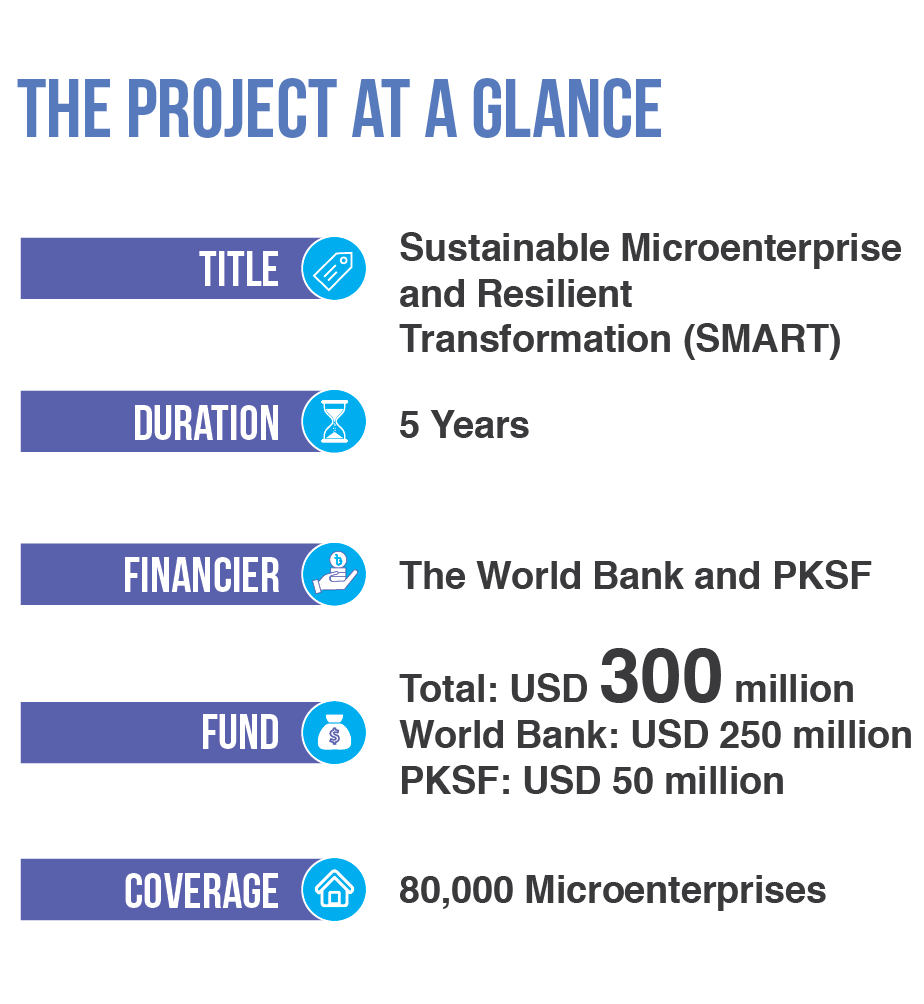
Microenterprises are the backbone of Bangladesh’s economy, supporting approximately half the nation’s population and contributing 25% to GDP while generating 56% of total employment across 9 million micro enterprises. Despite their vital role in driving economic growth and poverty reduction, these enterprises face significant obstacles to sustainable development, including limited access to climate-resilient technologies, inadequate knowledge of resource-efficient practices, and insufficient financial resources for green transformation.

PKSF has excelled in poverty alleviation and employment creation through microenterprise development. Recognizing the transformative potential of green growth, PKSF launched the Sustainable Microenterprise and Resilient Transformation (SMART) project to equip microenterprises with climate-resilient practices and technologies. This initiative positions Bangladesh to access emerging markets, enhance environmental sustainability, and build resilience against climate-related vulnerabilities.

About SMART Project

The SMART project promotes Resource-Efficient and Cleaner Production (RECP) practices among microenterprises in agribusiness, manufacturing, and services sectors. With particular focus on the regions prone to climate vulnerability, the project strengthens microenterprises’ capacity to anticipate, prepare for, and effectively respond to environmental challenges while fostering a green microcredit ecosystem.

Through integrated approaches in capacity building, technology adoption, knowledge dissemination, and behavioral transformation, SMART project ensures sustainable environmental benefits while driving economic growth. The project prioritizes interventions based on business clustering, pollution reduction, ecosystem preservation, climate and economic vulnerability assessment, and scalability potential.

Objective

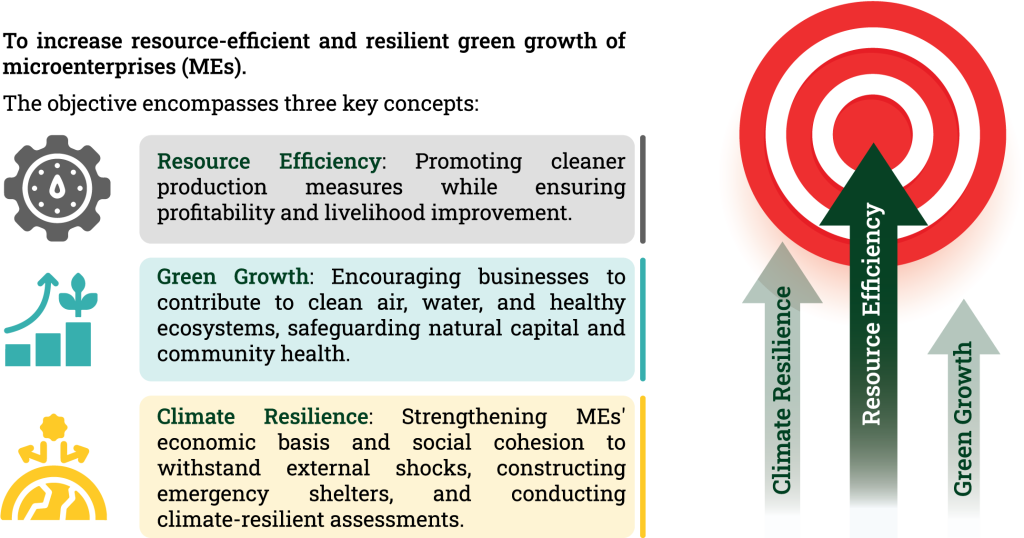
The objective of SMART is to increase resource-efficient and resilient green growth of microenterprises (MEs).

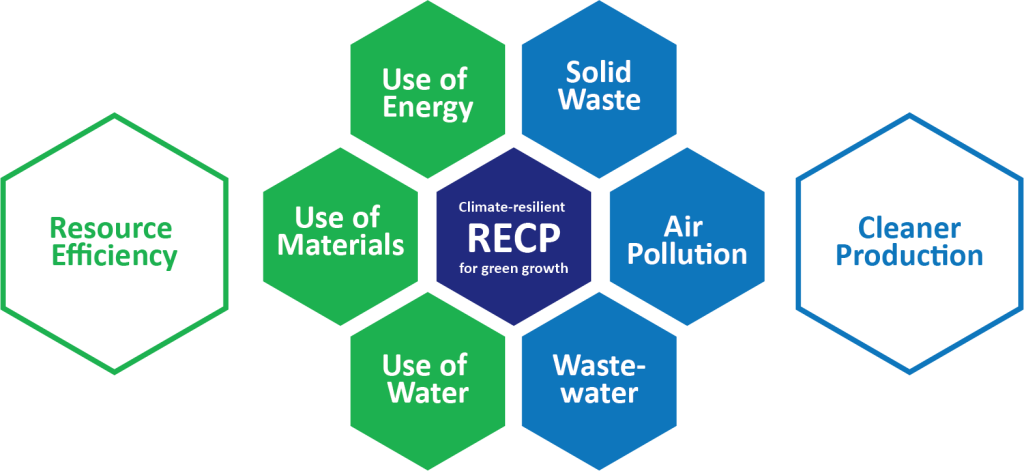
The objective encompasses three key concepts aimed at guiding microenterprises toward more sustainable business models:
Scope

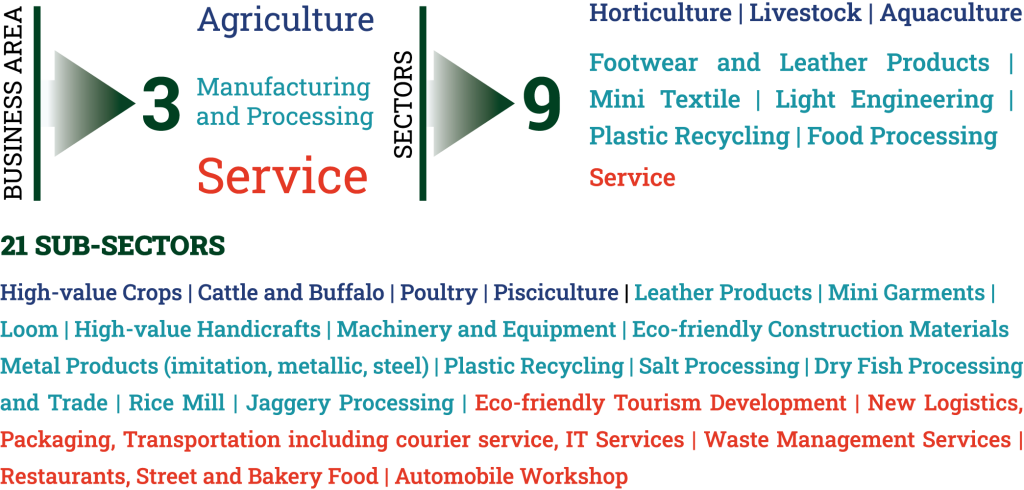
The interventions of the SMART project are structured across 3 business areas, 9 sectors, and 21 sub-sectors.
Project components

The SMART project has three major components. The components are –

  1. Enabling Capacity and Systems for Green Growth of MEs: This component utilizes an institutionalized approach to prioritize climate-resilient RECP practices through technical assessments and digital tools. It supports both new green startups and existing businesses looking to transition into sustainable operations by enhancing their environmental knowledge and technical skills. A key feature is the establishment of non-revenue-generating common facilities like pollution control structures managed as grants to improve cluster-level productivity. Additionally, it focuses on market expansion by promoting eco-labeling (e.g., “safe,” “organic,” or “green”) and utilizing e-commerce platforms, with specialized outreach for women-owned microenterprises.
  2. Providing Access to Finance for MEs to Enable Green Growth: This component establishes a line of credit through Partner Organizations (POs) to provide loans for commercially viable investments in RECP technologies. Targeting 21 diverse sub-sectors across agriculture, manufacturing, and services, the financing enables MEs to adopt sector-appropriate business improvement measures. It also supports revenue-generating common facilities, such as recycling centers or milk-chilling units, which are managed by the MEs themselves. To ensure transparency and progress tracking, the project uses digital tools and big-data analytics to monitor environmental improvements and business growth at the PKSF level.
  3. Improving PKSF Project Management, Communications, M&E, and Knowledge Management: This component focuses on building the institutional capacity of PKSF and its Partner Organizations to ensure effective project execution. It strengthens Environmental and Climate Change Units (ECCUs) and utilizes digital system-based management tools for systematic data handling and monitoring. A robust knowledge management framework is integrated to capture lessons learned, ranging from analytical studies to instructional videos, maximizing learning for all stakeholders. By fostering a culture of continuous learning and demand-driven training, this component ensures that the project’s achievements are well-documented and shared across the broader ecosystem.

Key focus: Resource-Efficient and Cleaner Production (RECP)

The SMART project focuses on helping microenterprises grow sustainably and protect the environment by adopting RECP practices. By encouraging eco-friendly methods and safety standards, the project aims to transform the microcredit sector into a ‘green’ ecosystem. This RECP approach is built around six domains, each containing specific activities designed to reduce environmental damage and make enterprises more resilient.
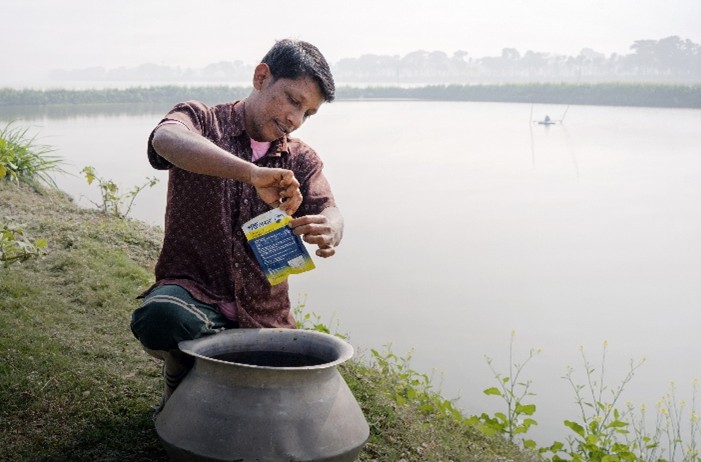
RECP Domain: Material Use
Using probiotics in ponds
Sub-sector: Pisciculture

RECP Domain: Use of Water
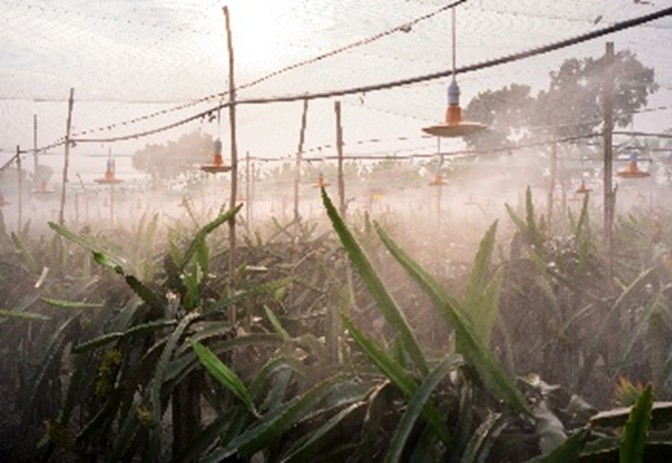
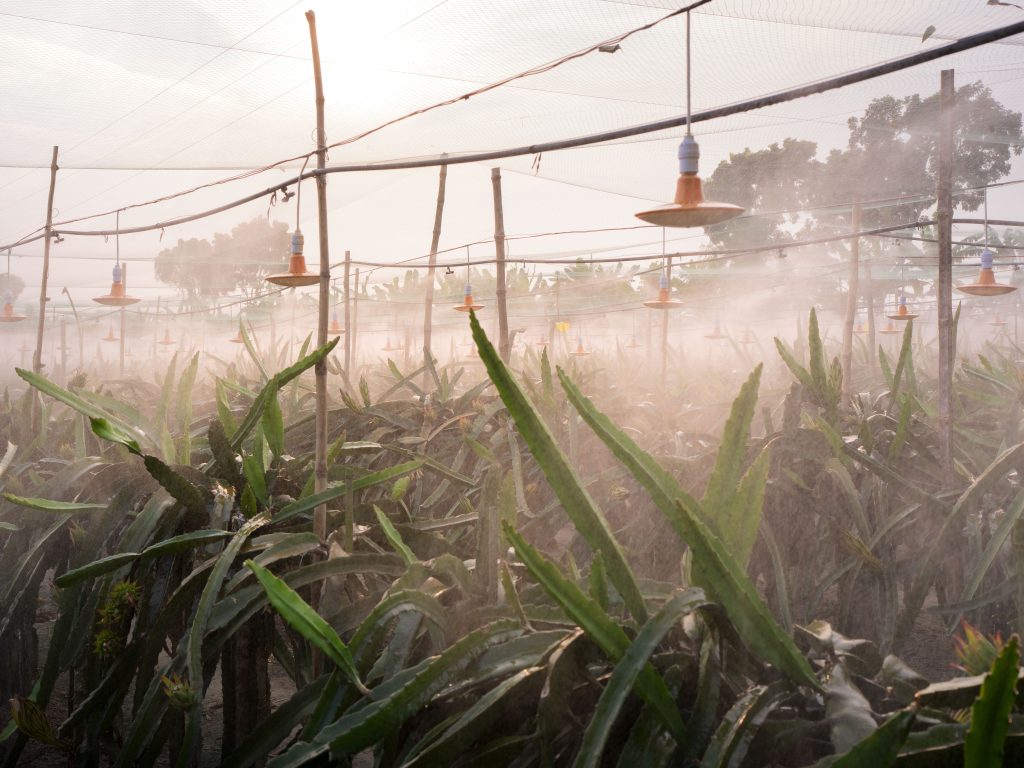
Using fogger in Dragon Fruit field
Sub-sector: High-value Crop (fruits)

RECP Domain: Use of Energy
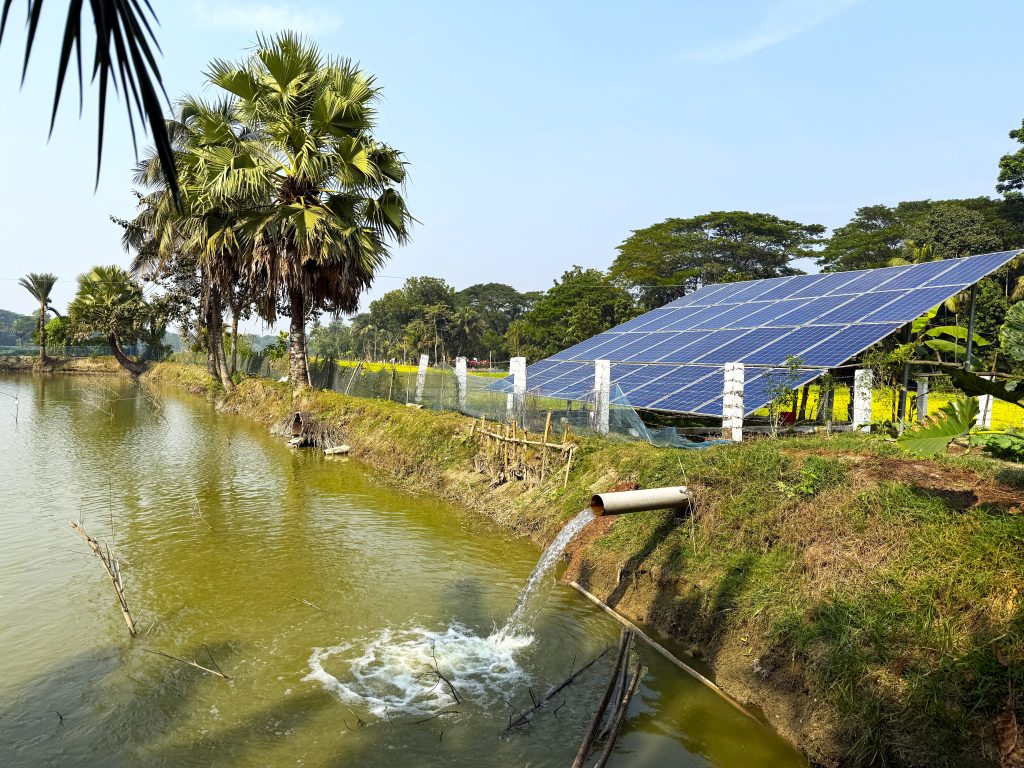
Solar powered irrigation in ponds
Sub-sector: Pisciculture

RECP Domain: Waste Management
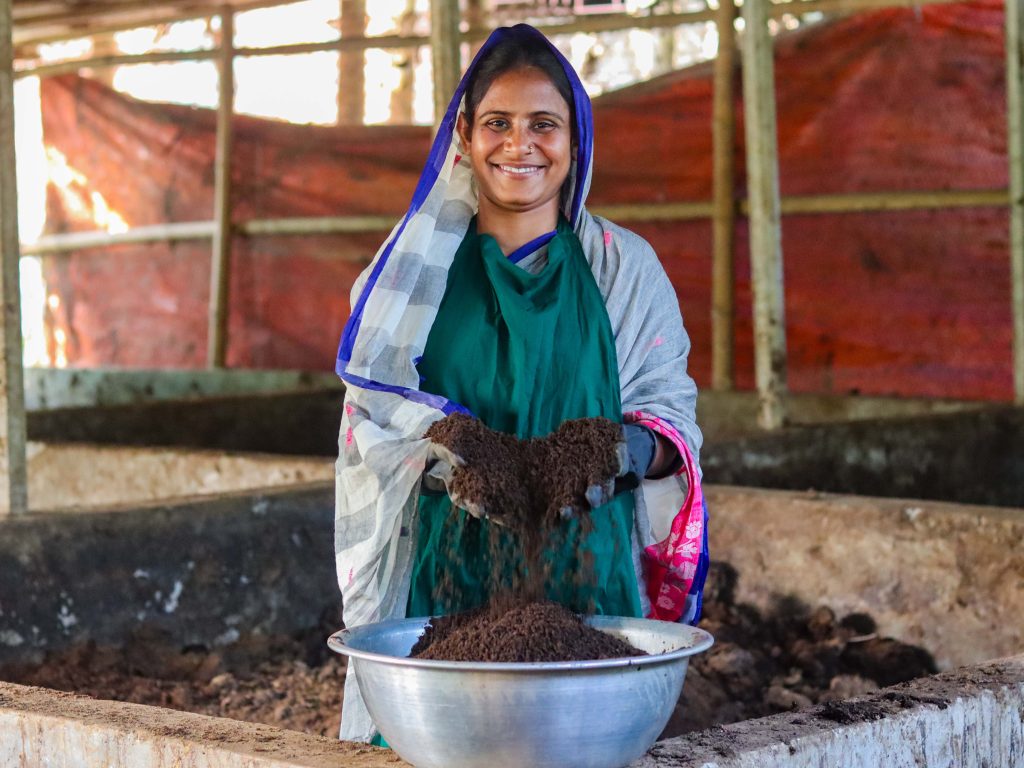
Vermicompost production from cattle waste
Sub-sector: Cattle and Buffalo

RECP Domain: Wastewater Management
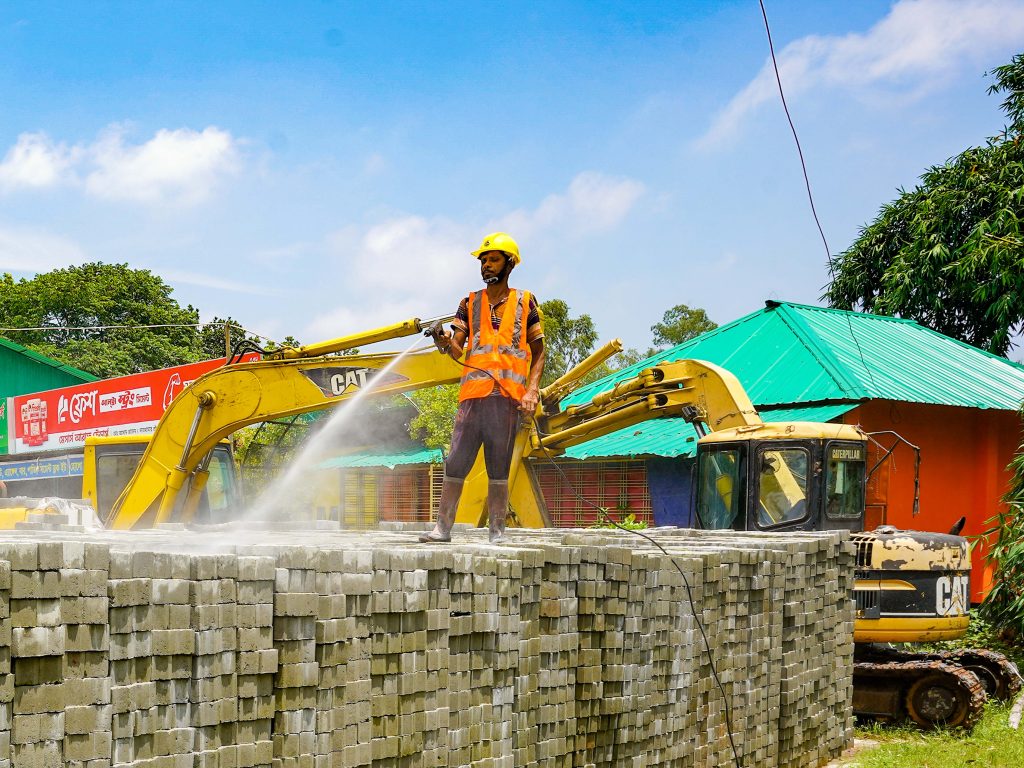
Water reused in block curing
Sub-sector: Eco-friendly Construction Materials

RECP Domain: Air Emission
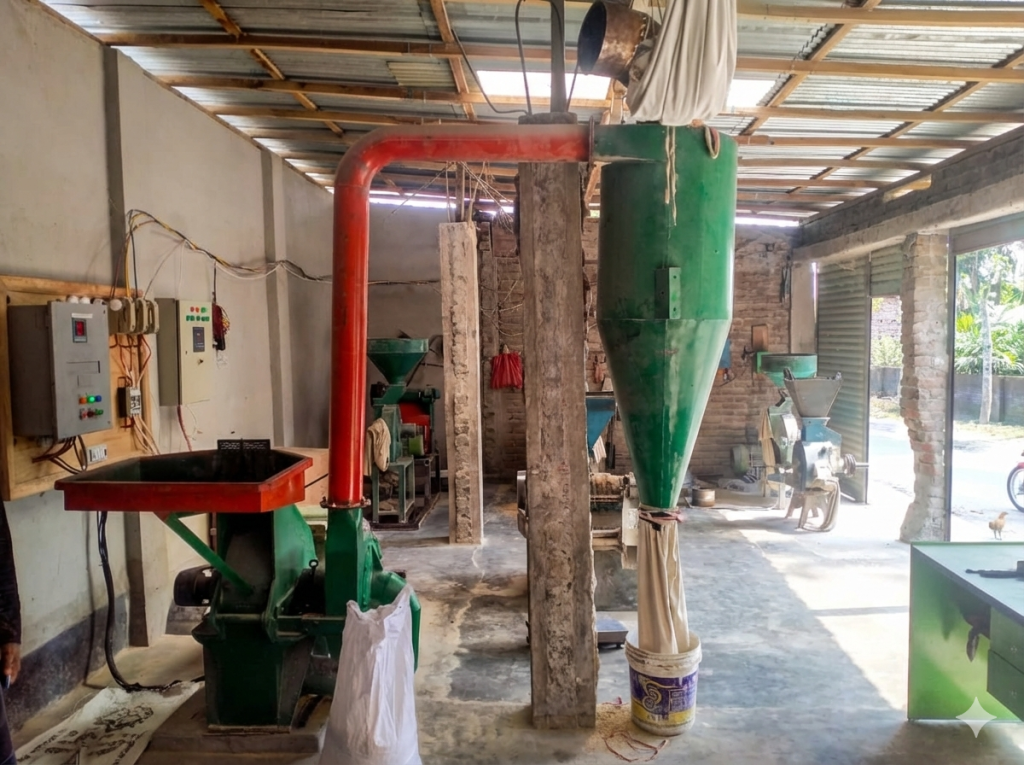
Dust collector in rice mill
Sub-sector: Rice Mill

Project coverage

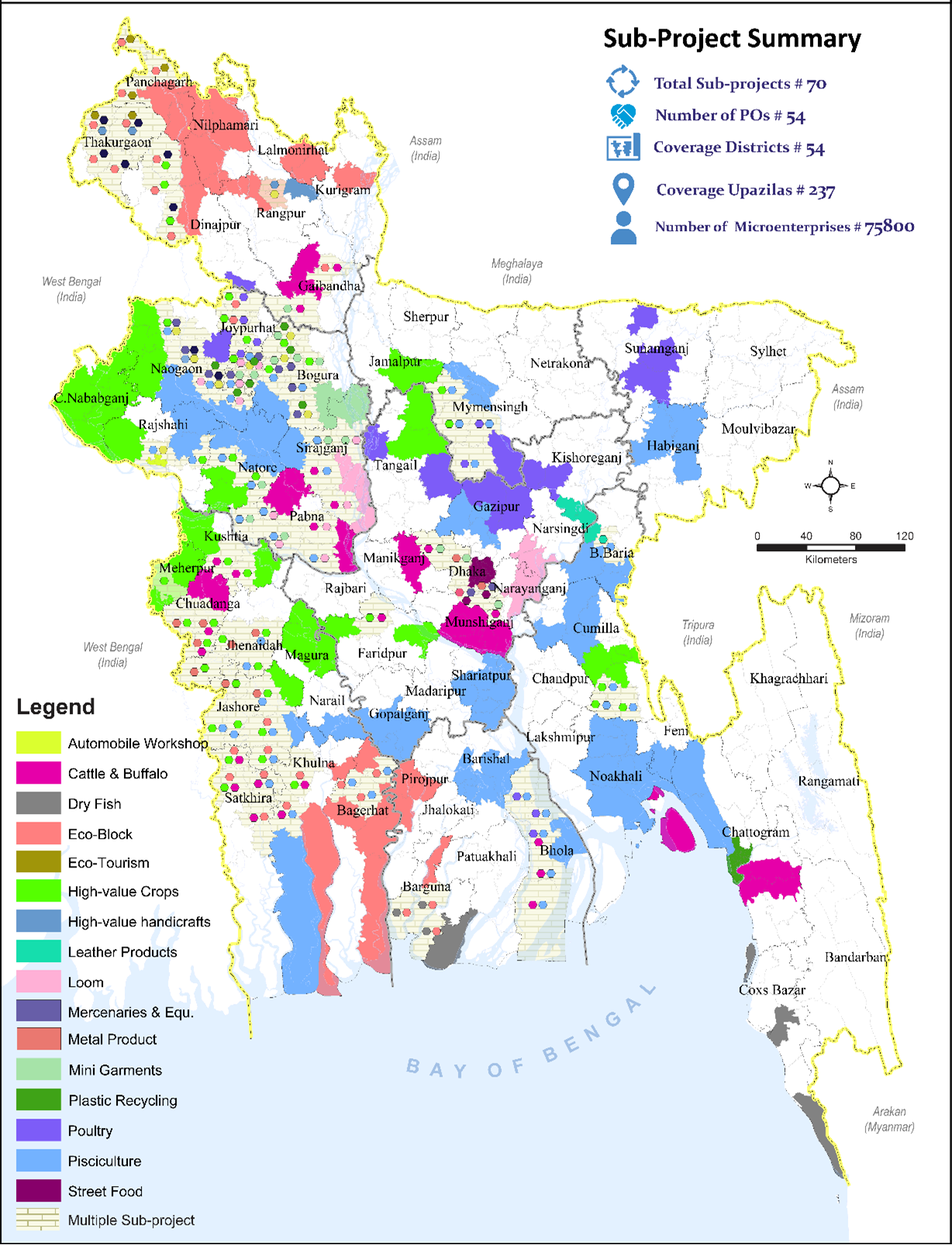
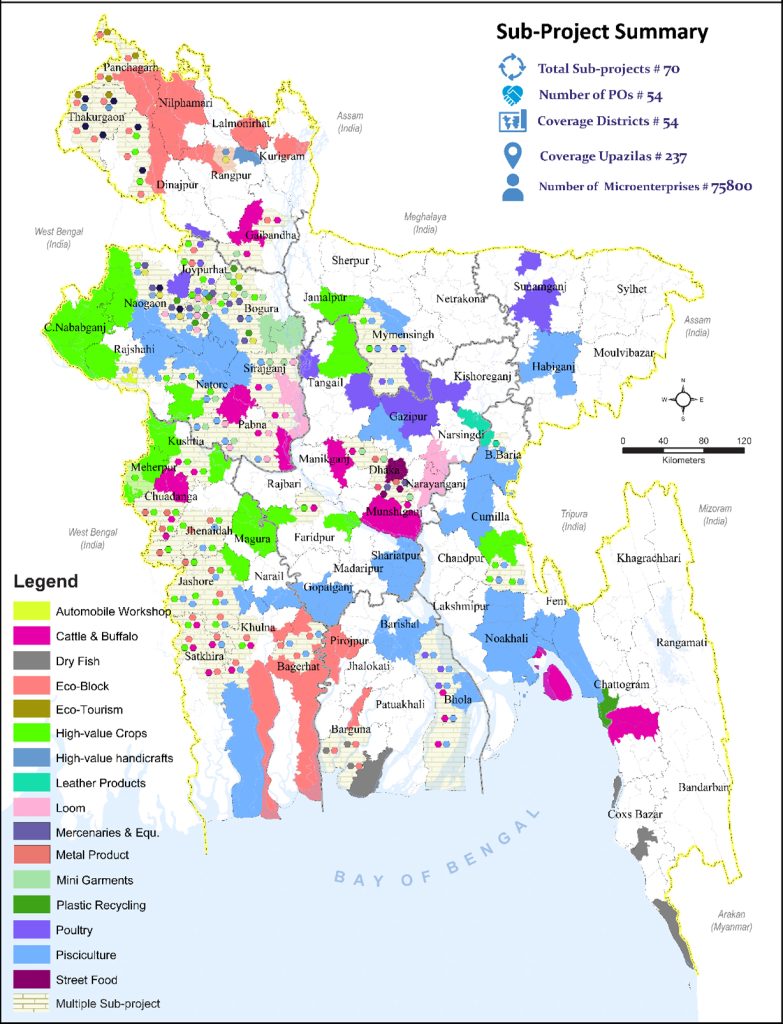
The project is being implemented across 237 upazilas in 54 districts of the country. Here is a GIS-based coverage map for further clarity.
Project Progress (as of January 2025)

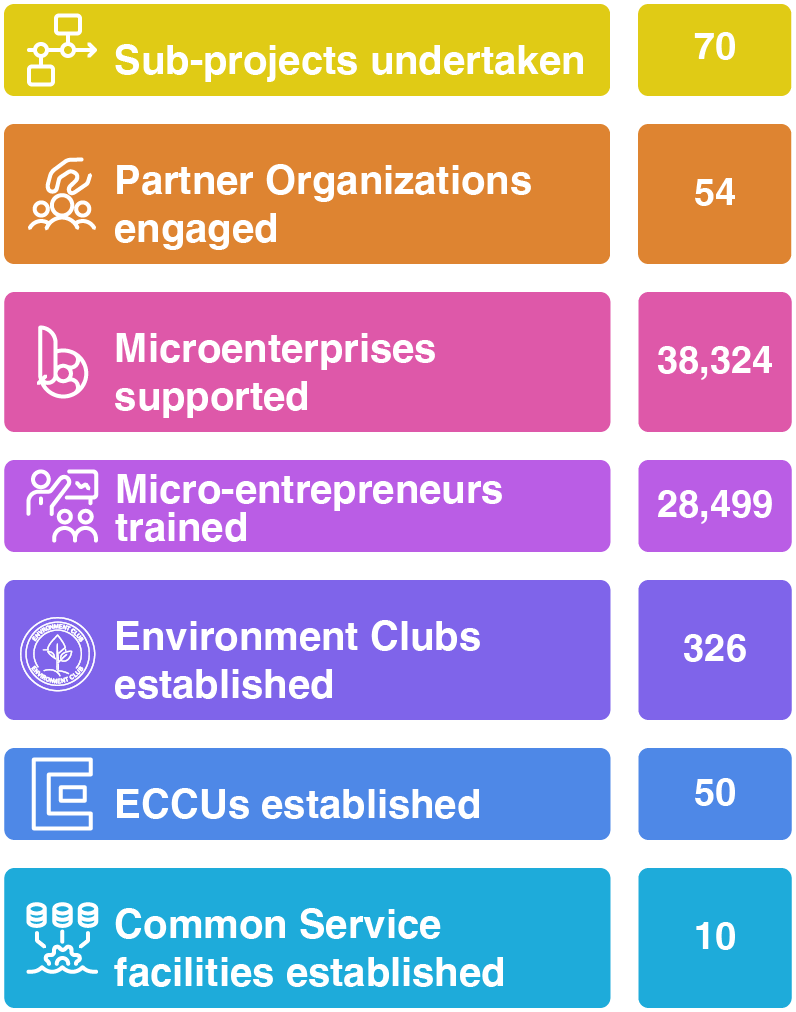
Since its inception, the SMART project has made significant strides in transforming the microenterprise landscape through strategic partnerships and targeted interventions. By integrating climate-smart technologies and fostering institutional capacity, the project has already reached thousands of entrepreneurs, laying a solid foundation for sustainable and inclusive green growth across Bangladesh.

The current status of implementation (as of December 2025) is as follows:
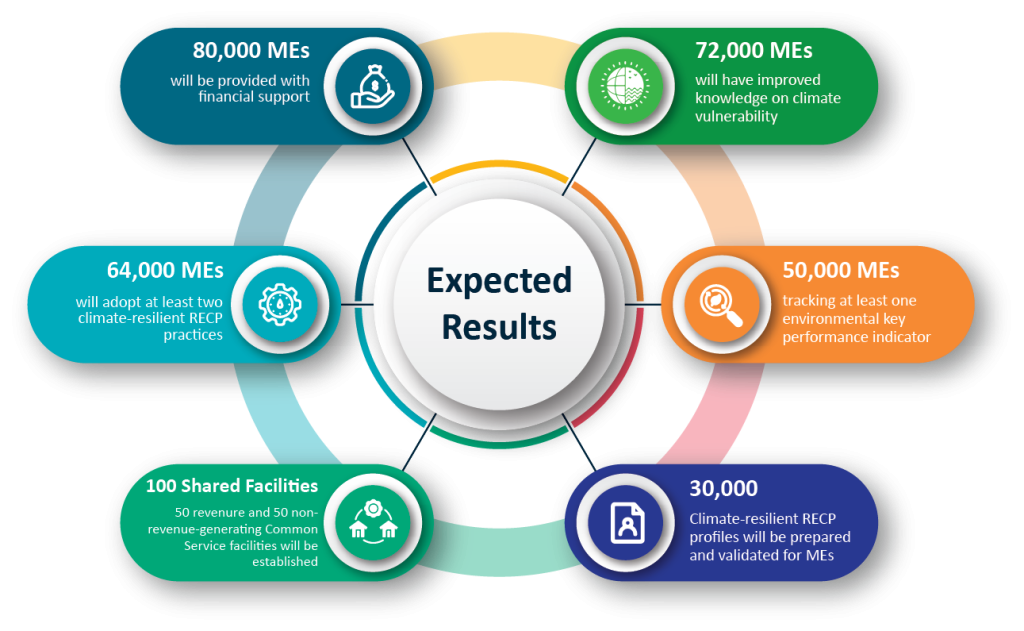
Snapshots of expected results at the end of the project

The project aims to significantly impact MEs through financial support, knowledge enhancement, RECP practice adoption, and infrastructure development.
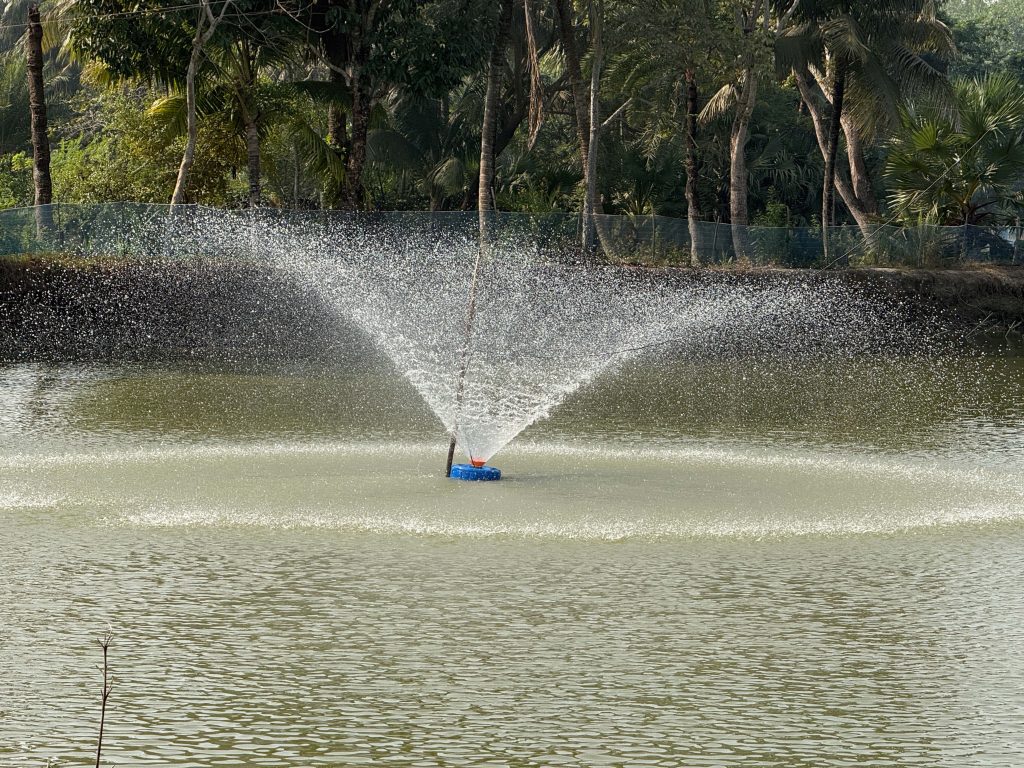
Improving water quality by using aerator in pond

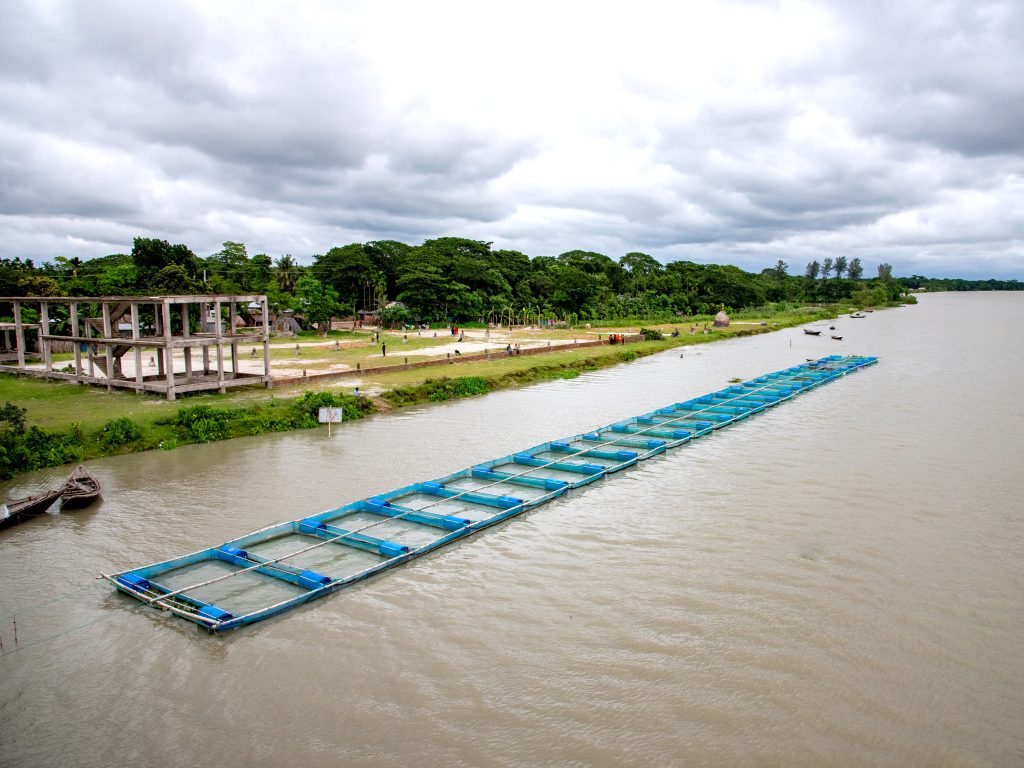
Cage culture in fish farming as a climate resilient practice

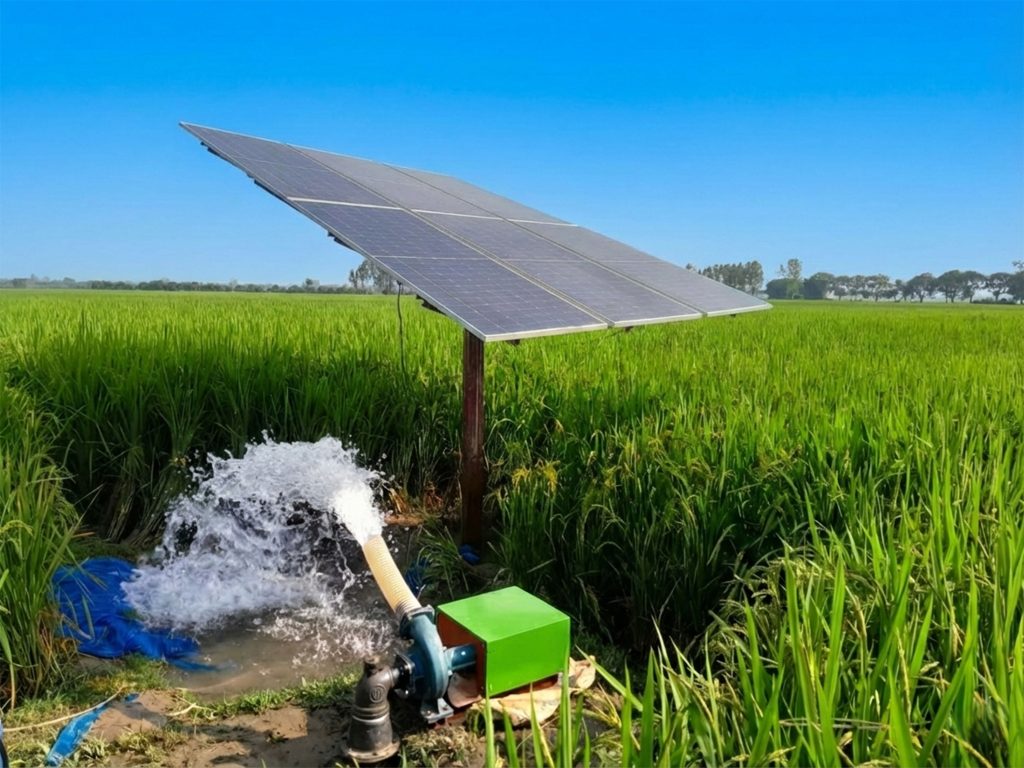
Solar powered irrigation in paddy fields

Using fogger in Dragon Fruit field for efficient use of water

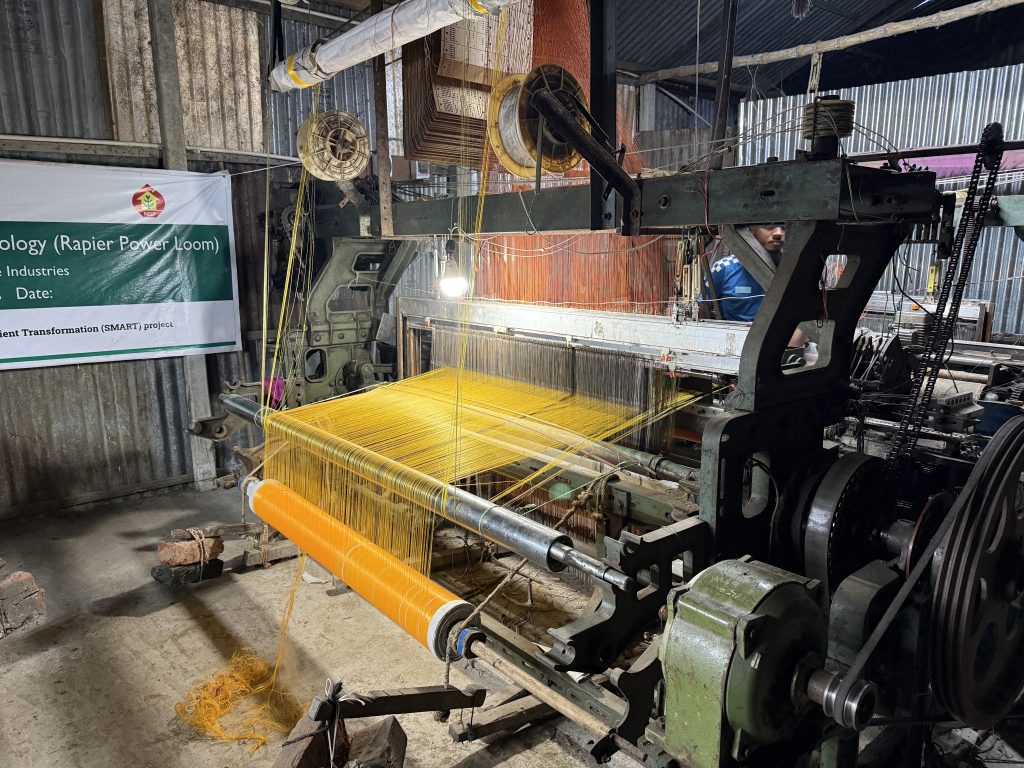
Use of Rapier Looms help produce diversified and better products

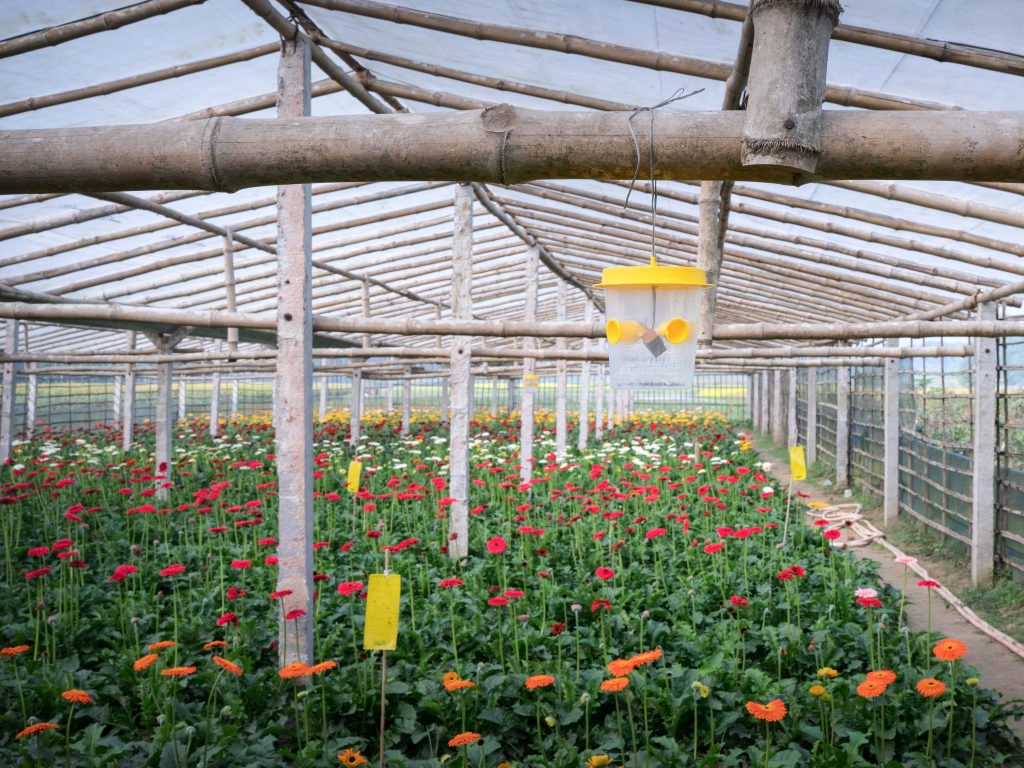
Pheromone traps and organic fertilizer reduce the use of chemicals in the flower field

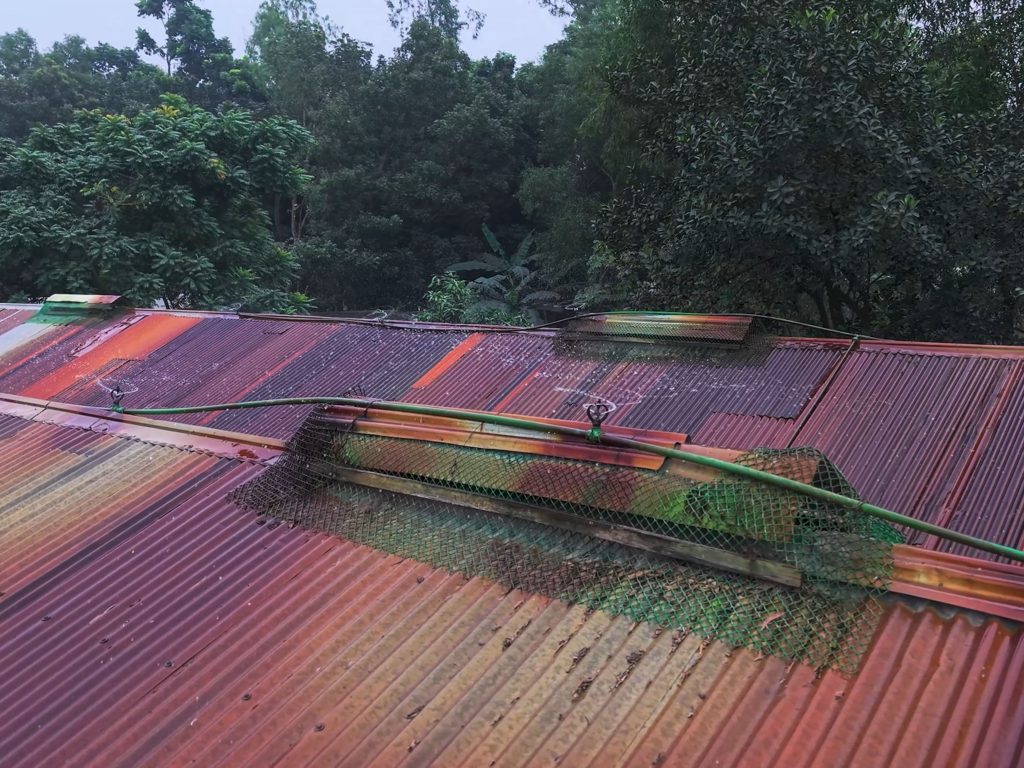
Sprinkler on rooftop of poultry farm help control its indoor temperature, thus reduce water and energy consumption

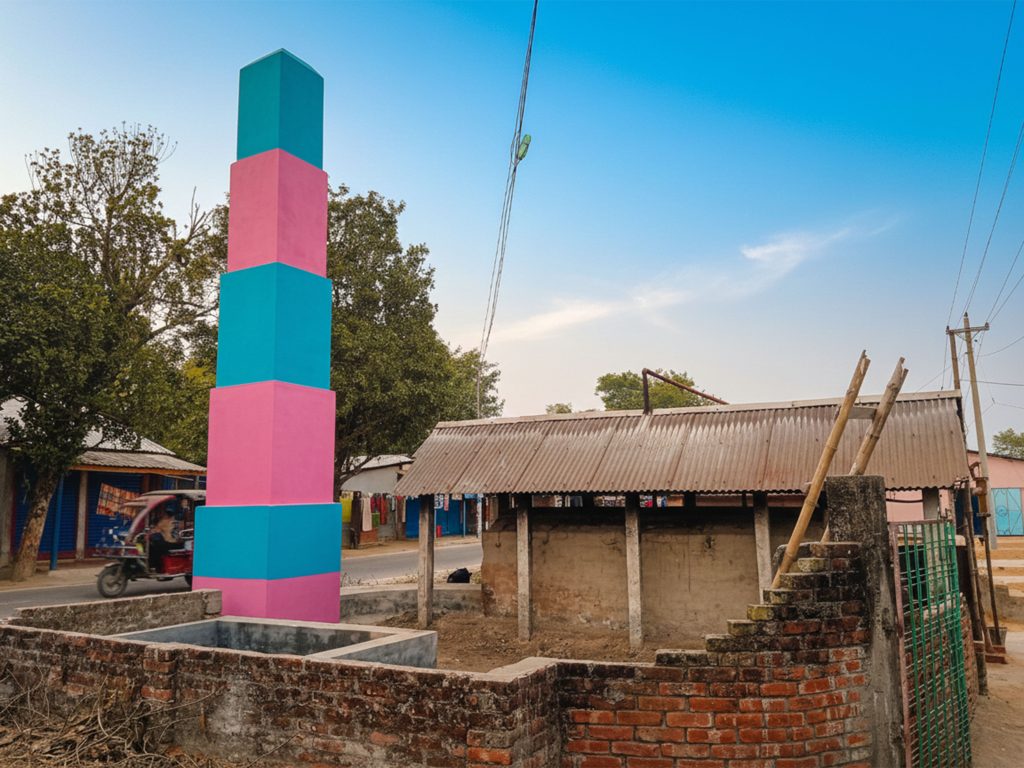
Improved chimneys in rice mills reduce pollution and keep the air clean