
SMART study identifies challenges in RECP adoption, workplace safety, market access
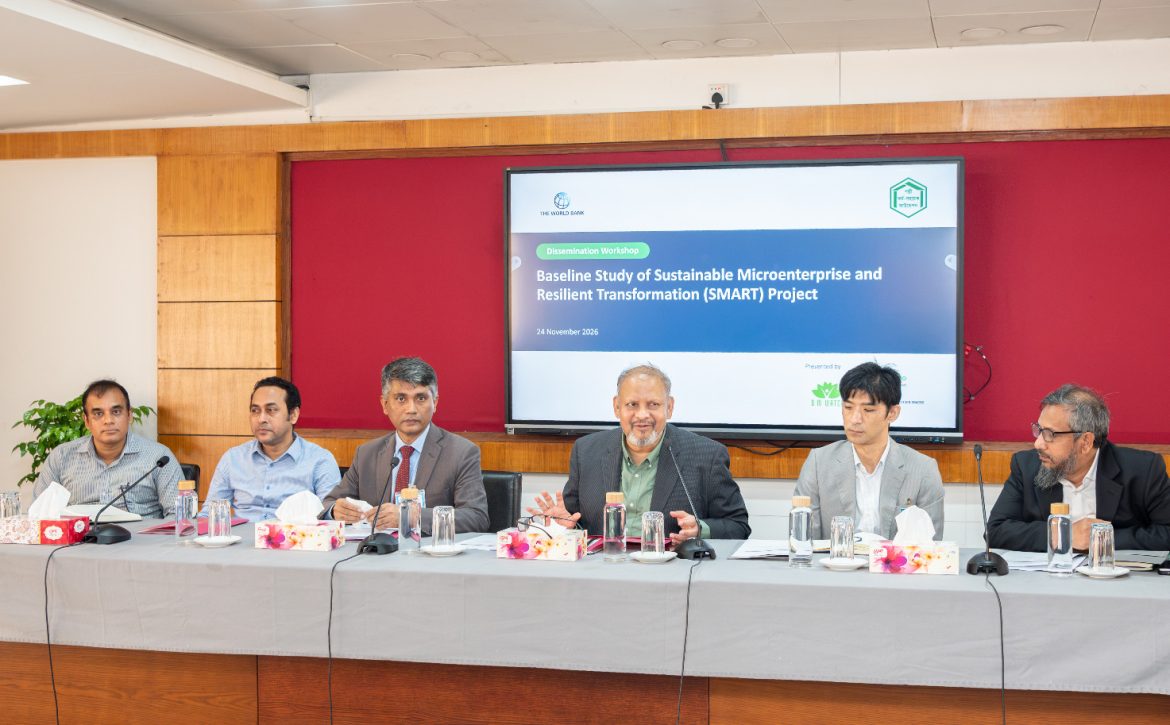
Limited awareness of green technologies, inadequate workplace safety measures, and weak market linkages remain major challenges for microenterprises in Bangladesh, according to the baseline study of the Sustainable Microenterprise and Resilient Transformation (SMART) Project, implemented by the Palli Karma-Sahayak Foundation (PKSF).
The findings were presented at a dissemination workshop held on 24 November 2026, at PKSF Bhaban-1 in Agargaon, Dhaka. Md Mashiar Rahman, Deputy Managing Director of PKSF, presided over the workshop. Officials from PKSF, representatives of the World Bank and relevant Partner Organizations, and members of the study team attended the event. A. K. M. Zahirul Haque, Project Coordinator of the SMART project, delivered the welcome speech.
In his inaugural remarks, Md Mashiar Rahman said, “The findings of this baseline study provide an important foundation for understanding the challenges and opportunities facing microenterprises. We need to translate this evidence into practical interventions that promote resource efficiency, improve workplace safety, strengthen market access, and build climate-resilient enterprises.”
Keisuke Iyadomi, the SMART project’s Task Team Leader at the World Bank, said, “The study has captured useful and practical findings that will help stimulate the successful implementation of the project at the grassroots level.”
Conducted by DM Watch Ltd., the baseline study covered 11,495 microenterprises across 17 sub-sectors in 34 districts. Dr Mahfuz Kabir, Team Leader of the study team, presented the key findings and areas of challenges.
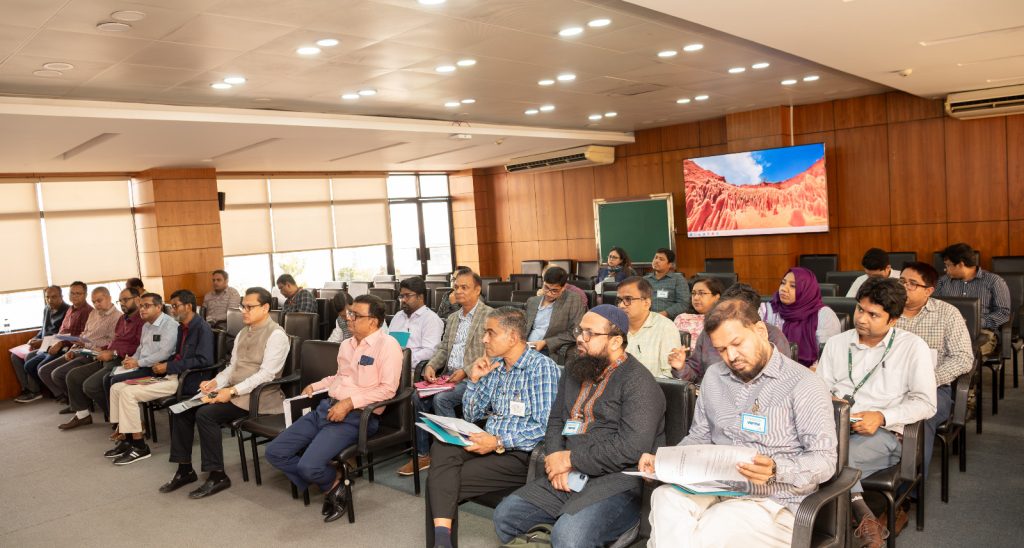
To address these challenges, the study recommended accelerating RECP adoption through sector-specific demonstrations, practical training, and enterprise-level coaching. It also emphasized the need for affordable financing, access to RECP technologies, improved workplace safety and environmental management, product certification, branding, digital marketing, and stronger buyer-seller linkages.
For long-term development, the recommendations included establishing common service facilities within business clusters, supporting climate-resilient enterprise development, strengthening institutional linkages, and developing sub-sector-specific strategies to facilitate the adoption of RECP practices. The study also emphasized the importance of continuous monitoring and learning through subsequent midline and endline assessments.
The baseline study will serve as an important benchmark for assessing the progress of the SMART project and measuring changes in the business, environmental, and institutional conditions of microenterprises over the course of its implementation.
PKSF has been implementing the SMART project since 2023 to help around 80,000 microenterprises promote green growth by adopting climate-resilient RECP practices in their businesses.